@ET-DC@eyJkeW5hbWljIjp0cnVlLCJjb250ZW50IjoicG9zdF90aXRsZSIsInNldHRpbmdzIjp7ImJlZm9yZSI6IjxoMT4iLCJhZnRlciI6IjwvaDE+In19@

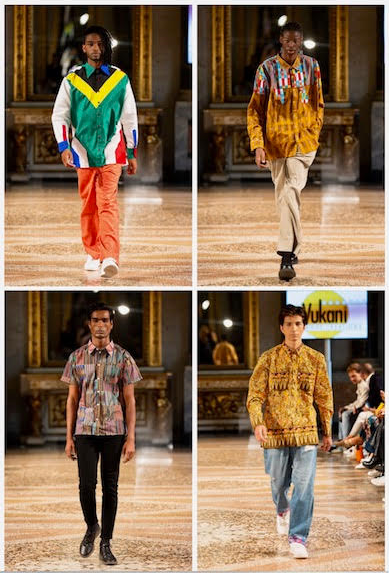
Sonwabile Ndamase, the fashion designer who created global waves with his Madiba shirts, has partnered with SAFDA (South African Fashion Design Agency) and Fibre Processing and Manufacturing (FP&M) Seta to create a learnership and internship programme for the next generation of garment makers. We caught up with Sonwabile to find out more about the programme, his career highlights and what tomorrow’s fashion designers need to know about taking this step.
How did you get started in fashion design?
I was born a creative. I did not choose to become a fashion designer – it is my birth right, my story, my destiny, my purpose. In the early 80s, I fell in love with the idea that style was a way to express uniqueness. I used to work for a clothing store in Butterworth in the Eastern Cape and then moved to Johannesburg as I was seeking growth in a market that would embrace my talents. I dabbled in acting for television, but fashion design was my true calling. I established a company called Vukani Range Creation through Vukani Fashions and was able to create a broad canvas to express my talents. The Madiba shirt was a creative milestone for Vukani Fashions as we were essentially tasked with styling Africa’s icon of the struggle. The Madiba Shirt was elegant, ambassadorial and stately.
What are some of your career highlights?
Being labelled “The Godfather of African style” and representing Africa on a global platform was incredible, as was capturing Nelson Mandela’s heart with the Madiba shirt and dressing him up until his last days. To see him wear my creation while meeting monarchs and presidents was unforgettable. We designed costumes for the Welcome Ceremony at the United Nations World Summit on Sustainable Development, dressed television presenters and created clothing for the African Cup of Nations held in South Africa, to name a few milestones. My purpose has always been to shape the design direction of the continent and tell the African story through my fabrics and designs.
Why do you think garment making is a career that should still be pursued?
Garment making is a way to express one’s talents through creativity and innovation. The art of tailoring is one that engages your senses – imagining, creating, touching, feeling and seeing. Most of all, the pride one feels once the garment is complete and is displayed on a mannequin, worn by a client or in a magazine spread. There are a wide range of options for a designer to choose from, such as lingerie, swimwear, women’s wear, bridal wear, children’s wear, men’s wear, footwear and handbags. Garment makers today have several career opportunities – they can work with garment firms and export houses, remodel haute couture and adapt it to the tastes of the mass market, or they might also hold jobs in department or specialty stores.
What are you most excited about for in the partnership with SAFDA and the learnership programme?
We will be using fashion design as a catalyst for development, focusing on the entire value chain. I’m excited to empower future designers and youth to take pride in their history and thrive in their field. We’ll be working with students from previously disadvantaged backgrounds of all levels, from those who are complete beginners to those wishing to raise their skill to a higher level.
What advice would you give to those who want to start a career in garments and fashion design?
Fashion is rewarding, dynamic and ever-changing – however, defining your own style and focusing on a niche will take you very far. The Madiba Shirt started with a belief and a focus that enabled me to find my voice in fashion, and once you have found your own voice, as I have, anything is possible. The opportunities within the industry are endless and varied, from clothing and costume design to retail. Identifying what it is you really want to do within your fashion career will keep you focused and motivated. Having a specific end goal in mind will keep you going in this industry, so choose your focus and practise your trade.


Get Connected