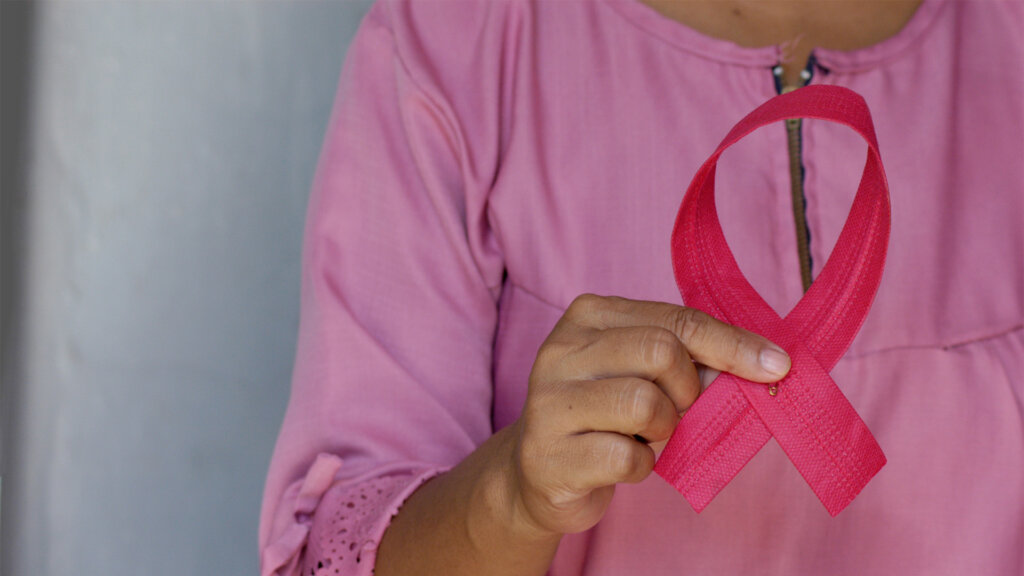
October is Breast Cancer Awareness Month, and it’s a crucial time to shed light on this important issue which affects 1 in 27 women.
October is Breast Cancer Awareness Month, and it’s a crucial time to shed light on this important issue. Breast cancer is a significant concern in South Africa, affecting 1 in 27 women and accounting for 23% of all cancer diagnoses among women.
The Breast Imaging Society of South Africa (BISSA) is emphasising the importance of early detection during this awareness month. Early detection can make a huge difference in survival rates and reduce the need for aggressive treatments. It’s a message that Dr. Peter Schoub, Chair of BISSA, wants to get across.
One of the challenges in South Africa is the late-stage diagnosis of breast cancer, often due to a lack of awareness, limited access to healthcare, and economic disparities. Even though many medical schemes offer free mammogram screenings to women over 40, only about 20% take advantage of this service.
It’s worth nothing that breast cancer is not limited to older women. It’s on the rise among women in their 30s, and it tends to progress faster in younger individuals, making early detection even more critical.
Breast cancer knows no boundaries; it affects women of all ages, races, and backgrounds. Regular self-examinations and annual clinical examinations are essential, regardless of age or family history. The goal of screening is to catch the disease before symptoms arise, when it’s easier to treat. Small, localised tumours have a better prognosis, so early detection is key.
Some factors increase the risk of breast cancer, including age, family history, personal history, dense breast tissue, weight, lifestyle choices, and hormonal factors.
If you’re wondering how to perform a self-examination, it’s essential to do it consistently, usually a week after your period when your breasts are less tender. You can visually examine your breasts for changes in size, shape, symmetry, or skin texture. Physically, lying down or in the shower, use the pads of your middle fingers to feel for any abnormalities, applying different levels of pressure in a systematic pattern.
It’s important to remember that many breast lumps turn out to be benign, but any changes should be checked by a healthcare provider. If you notice swelling, skin changes, nipple issues, redness, or lumps, don’t hesitate to seek medical attention.
Breast cancer awareness and early detection can save lives. Take care of your health and encourage those around you to do the same.