Travel buyers and travel managers are, once again, navigating interesting times. The Middle East crisis has meant new routes, new hubs and a renewed focus on duty of care. Volatile oil prices and capacity constraints are squeezing costs at the same time. Travellers themselves are warier than they were a year ago, and the journeys they are being asked to take are often longer, with more stopovers and less margin for error.
Against that backdrop, travel perks carry more weight than usual. A flat bed, a lounge shower and a late checkout matter more when you have just flown an extra five hours via a new connection.
What makes this moment especially interesting is the picture sitting just behind it.
Before tensions escalated in February, airlines were betting big on premium economy and business class cabins – overhauling their fleets and offering passengers more space, connectivity, state-of-the-art inflight entertainment and, in some cases, hotel-like privacy. Hotels themselves are pouring investment into luxury and lifestyle properties, with the global luxury hotel market forecast by Skift to more than double to $369 billion by 2032.
All while travel programmes are balancing safety and traveller wellbeing against value and cost management. Competing priorities, all playing out in the small print of what your company will and won’t cover.
The airline perks you might not know about
Status used to mean miles flown. Today, it increasingly means money spent. As The Points Guy puts it, the “hamster wheel” of chasing flights is being replaced by credit card spend, shopping and bookings through an airline’s network of partners (including car rentals) rather than simply bums in seats.
The perks are varied too – many unseen and underused. Most major programmes now let you extend priority boarding to companions, share lounge access with a plus-one, and occasionally use complimentary upgrades on partner airlines. Lounge access through the right credit card sits in the same category: a perk most eligible travellers underuse.
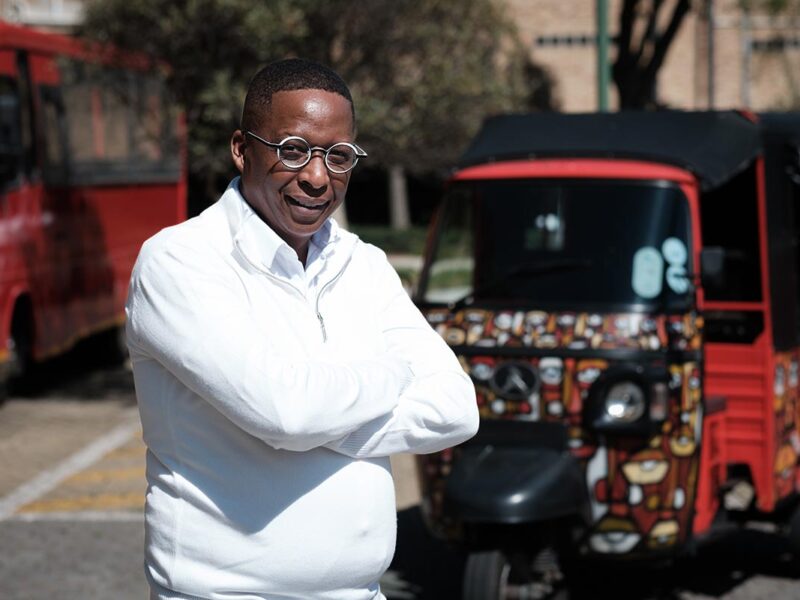
The biggest unseen perk, though, is corporate. As Herman Heunes, GM of Corporate Traveller South Africa explains, two passengers in the same business class cabin may have paid wildly different fares, depending on how the corporate fares were negotiated behind the scenes.
“Corporate contracts often come with soft ‘perks’ the retail flyer rarely sees,” says Heunes. “Including guaranteed availability, waived change fees, volume rebates, and sometimes even chauffeur transfers on carriers like Emirates and Qatar Airways. This is exactly where a managed travel programme adds value beyond rate.”
What business class actually gets you
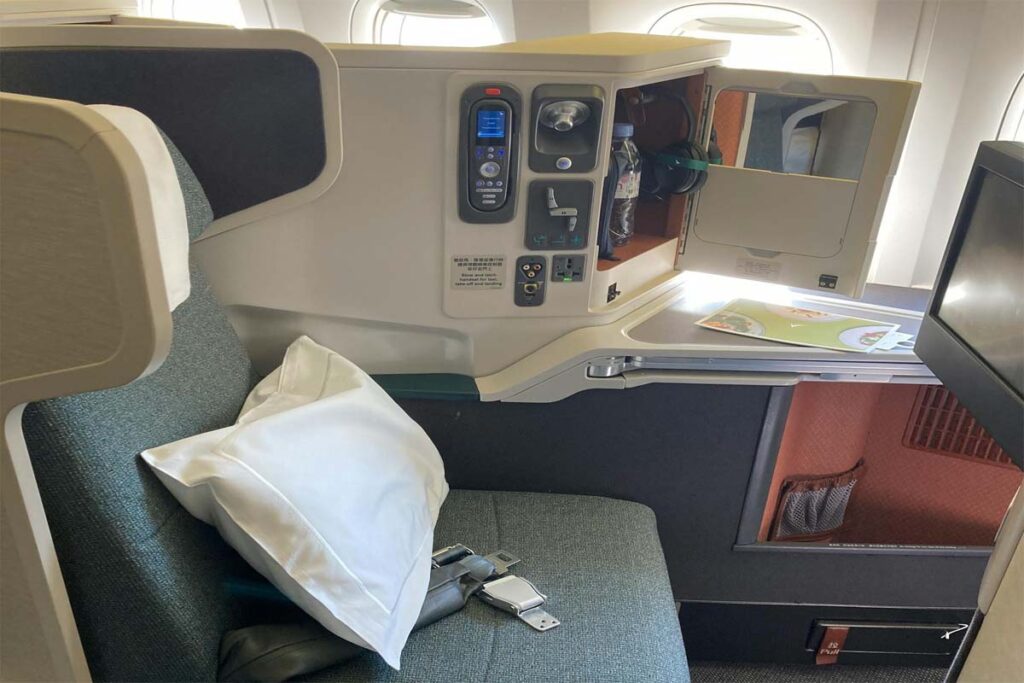
The world’s top airlines are getting very serious about their business class offering. Qatar’s QSuite offers sliding doors, “Do Not Disturb” indicators and customisable ambient lighting – not to mention a turndown service complete with pillows, a quilted mattress, plush blanket and PJs. Cathay Pacific’s Aria Suite (winner of the World’s Best Business Class in the 2026 AirlineRatings Awards) has privacy pods, plenty of cubby storage, a 24-inch, 4K in-flight entertainment screen, free Wi-Fi and a 5-star, restaurant-style dining experience.
For Heunes though, business class is often misunderstood.
“While lie-flat seats are great, what corporate buyers are really paying for is productive time: the space to work on a laptop, sleep on an overnight flight, and arrive functional,” says Heunes. “For staff travelling on the long-haul routes that South Africans know so well, rest, productivity and morale means business class pays for itself before the seatbelt sign goes off.”
Hotel perks worth knowing
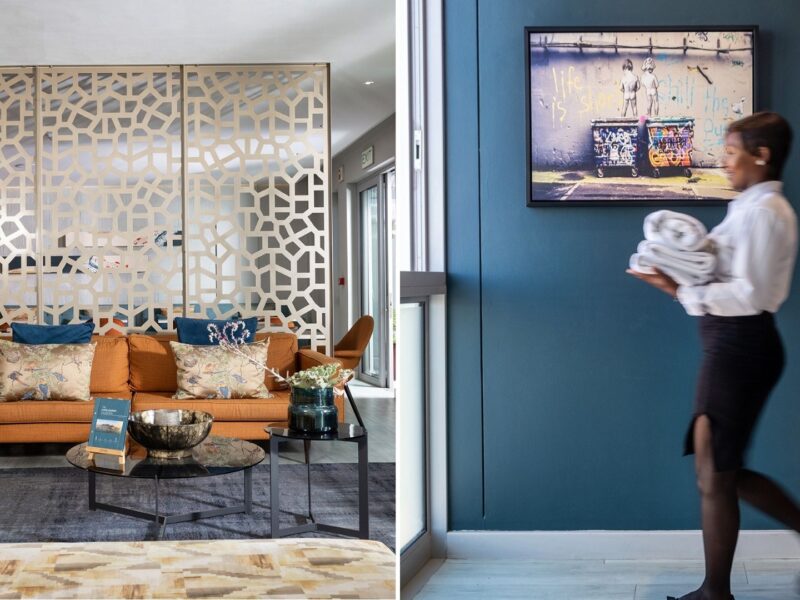
Hotels are arguably winning the perks race – with many designed around health and wellbeing.
The Wall Street Hotel in New York, for example, has partnered with the ness, a trampoline-based movement studio, to bring intentional, low-impact wellness directly to your room (complete with trampoline and sessions streamed on your in-room smart television). Shangri-La Singapore’s Horizon Club Business Rooms come with adjustable standing desks, dual 4K monitors on request, and complimentary pressing of business clothes. IHG (InterContinental Hotels Group) has implemented acoustic doors and heavy soundproofing, while Hyatt’s premium properties supply white noise machines.
Quieter perks are worth knowing about too. Pillow menus, once an outlandish luxury, are now pretty mainstream at upper-tier establishments. The Benjamin Royal Sonesta has a 10-choice pillow menu, and guests can choose from anti-snore, buckwheat, cooling pillows, and Swedish memory foam tailored to their sleep positions.
More mainstream? Most hotels are happy to offer all sorts of things if you only know to ask: chargers, adaptors, sewing kits, toothbrushes and toothpaste, yoga mats, boardgames and even weighted blankets, sleep masks and slippers. Kimpton Vero Beach Hotel in Florida, USA, even runs a “Forgot it? We’ve got it!” programme, letting guests borrow accessories like sunglasses and handbags.
Again, for Heunes, it’s the more practical perks that make the difference.
“Early check-in and late check-out are huge for long-haul travellers,” says Heunes. “Flights out of South Africa often seem to land at unfriendly times. Always check with your travel management company what’s possible, and what can be negotiated. Some hotels also provide a complimentary shuttle service, which is a big perk in anyone’s language!”
What your company will and won’t pay for

Luxury hotels’ concierge services are well-versed in special – often eccentric – requests (including Evian baths, egg-free omelettes and VIP access to shows and events) but, in truth, when it comes to business travel things are far more boring.
As Heunes notes, internal scrutiny of spend has increased and buyers are expected to show financial control while supporting productivity, safety and traveller wellbeing.
Depending on the size of your company (and travel programme) the budget could expand to premium economy or business class on flights over six hours, full board, hotel Wi-Fi, laundry, reasonable tips, and increasingly, properties that support hybrid work with ergonomic desks and good connectivity.
What companies almost universally will not pay for is the minibar, in-room movies, spa treatments outside an approved wellness stipend, seat upgrades without pre-approval, alcohol outside client entertainment, traffic fines, anything for a travelling partner, and direct bookings outside the managed channel.
Which could leave modern business travellers in a slightly awkward position: flown upfront to Heathrow, ergonomically supported at the hotel, and quietly paying for their own packet of cashews from the minibar.
“This is where travel policies are so important,” says Heunes. “Even companies with small travel programmes need to agree on perks and spend – and how reimbursements are managed. It is a core part of any travel programme.”