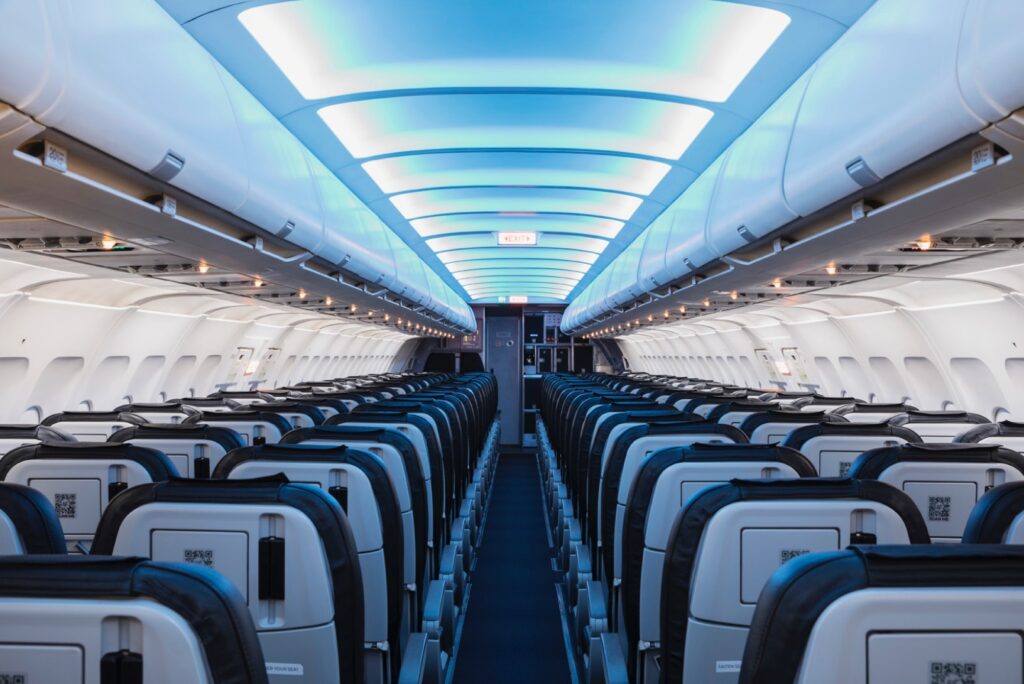
Open your window blind. Put your seat upright. Remove your headphones. Make sure your bag is under the seat in front of you. For many travellers, these requests during flights can feel repetitive, unnecessary or even frustrating. Yet every instruction given by the cabin crew on airlines has a purpose: keeping passengers safe.
According to Theuns Dreyer, Head of Airports and Ground Operations at LIFT, these procedures are based on decades of international research, operational experience and continuous improvements in aviation safety. “Every safety instruction onboard an aircraft exists for a reason,” says Dreyer. “Most travellers only experience the instruction, not the thinking behind it. Understanding why these procedures exist helps explain why cabin crew take them so seriously.”
“For example, opening window blinds during take-off and landing allows crew and passengers to quickly assess conditions outside the aircraft should an evacuation become necessary,” explains Dreyer. “Similarly, removing headphones helps passengers hear important announcements during the most critical phases of flight, while dimming the cabin lights allows everyone’s eyes to adjust should visibility outside suddenly be reduced.”
He further explains that returning seats to an upright position helps keep the route to the aisle clear and gives the passenger behind enough room to adopt the brace position if required. “We also advise keeping a seatbelt fastened whenever seated offers protection against unexpected clear-air turbulence, even after the seatbelt sign has been switched off.”
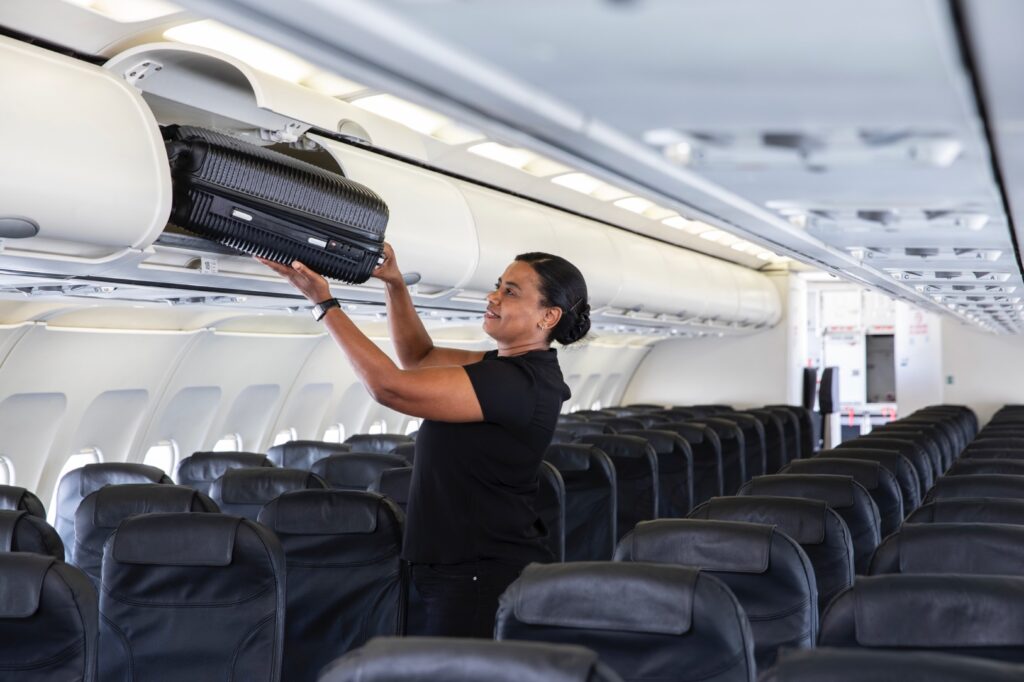
While it might feel uncomfortable, in the unlikely event of an evacuation, leaving carry-on baggage behind can make a significant difference. “Bags can delay passengers, block aisles, damage evacuation slides and slow down an evacuation in an emergency, when every second counts,” he shares. Even aircraft ashtrays continue to serve a purpose despite smoking being prohibited. They provide the safest place to extinguish a cigarette should someone ignore the no-smoking rules, reducing the risk of fire in the aircraft.
Another area that continues to cause confusion is travelling with lithium batteries. Power banks, mobile phones, laptops, tablets, cameras, smartwatches, wireless earbuds, portable gaming devices and many other everyday electronics contain lithium-ion batteries. While these batteries are generally safe, damaged or faulty batteries can overheat, emit smoke or catch fire, making the way they are carried onboard especially important.
“Lithium batteries are one of the few items passengers travel with that have very specific international safety requirements, which have received multiple regulatory updates recently,” says Dreyer. “If a battery overheats in the cabin, crew can respond immediately. If it’s packed in checked baggage, it becomes far more difficult to detect and manage.”
It’s not just power banks
Many everyday travel items contain lithium-ion batteries, including:
- Power banks
- Mobile phones
- Laptops and tablets
- Smartwatches and fitness trackers
- Wireless earbuds and Bluetooth headphones
- Cameras and spare camera batteries
- Portable gaming consoles
- Drones and drone batteries
- Rechargeable electric toothbrushes and razors
- E-cigarettes and vape devices
LIFT reminds passengers that:
- Power banks and spare lithium batteries must never be packed in checked baggage.
- A maximum of two power banks may be carried, with each not exceeding 100Wh.
- Power banks may not be recharged or used to charge another device during the flight.
- If cabin baggage is checked at the boarding gate, power banks and spare batteries must be removed first.
- Any device that becomes hot, swells, emits smoke or smells unusual should be reported to cabin crew immediately.
To help passengers better understand these requirements, LIFT has updated its airport signage, check-in communications and onboard announcements. In 2026 alone, LIFT has reported nine occasions of undeclared powerbanks/lithium batteries which were picked up by the airport screening process since January 2026.
DATA indicates a drastic decline in undeclared lithium items since January showing an improvement in passenger behaviour and mitigation and awareness by airlines and airports starting to yield positive results. Items detected at OR Tambo International Airport baggage screening dropped by more than 50% since January (all airlines international and domestic) from 2 000 rejections down to about 1 000.
“Air travel is one of the safest forms of transport in the world because the industry never stops learning and improving,” concludes Dreyer. “We want passengers to arrive at the airport confident they know what they can and can’t pack. These aren’t simply airline preferences, they’re internationally recognised aviation safety requirements designed to protect passengers, crew and aircraft. A quick check before leaving home can help avoid delays and contribute to a safer journey for everyone. Following these procedures may only take a few seconds, but they can make a significant difference if they’re ever needed.”