@ET-DC@eyJkeW5hbWljIjp0cnVlLCJjb250ZW50IjoicG9zdF90aXRsZSIsInNldHRpbmdzIjp7ImJlZm9yZSI6IjxoMT4iLCJhZnRlciI6IjwvaDE+In19@

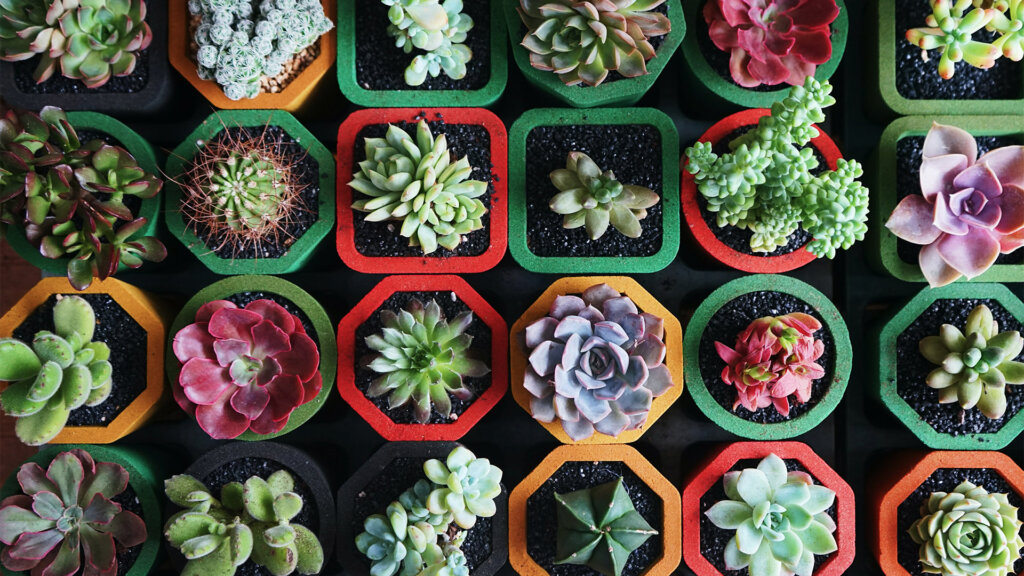
Water restrictions or not, in our dry climate a succulent garden is always a win. The team behind the recent Houghton Bonsai and Succulent Show share their top tips on how to make the switch from traditional garden fare to drought-resistant succulents and cacti.
Coming in a variety of colours and sizes, and resilient enough to withstand high temperatures, these water-saving powerhouses require very little to flourish.
Succulents and cacti look good all year round, and many are also proudly South African in origin. There are roughly 10 000 different succulent species in the world and a whopping 47% are indigenous to South Africa.
Keith Witelson, treasurer of the Johannesburg Succulent Society (JSS), believes succulents are a terrific addition to any space, but while they’re hardy, they’re not impossible to kill. Here are some basic guidelines for thriving succulents:

Soil
Succulents require fast-draining soil with low organic matter in order to avoid fungal infections. Generally, you should avoid clay-like soils, soils with too much uncomposted organic matter, and soils that hold water without drying out. A good general mix is washed river sand (to get rid of the clay), regular garden soil, and perlite in equal parts – plus you can buy river sand from most hardware stores.


Sun vs shade
Not all succulents grow in full sun. In fact, many grow under the cover of “nurse plants” which are larger shrubs that absorb the more damaging heat of the day. An easy way to determine a plant’s needs is to start in the shade and slowly move to the sun while observing how happy it looks in each environment. Too much shade will make your plants etiolate, which just means they’re stretching out to get sun and this can often lead to an unpleasant form. The most important thing to remember is that roots should be kept cool where possible, so if you are growing your succulent in a pot make sure that it isn’t sitting on a baking surface and has plenty of airflow.
Watering
The majority of succulents only require watering weekly, while some species can survive for months without any water at all. It is important to consider how much sun your succulents are exposed to as well as the type of soil, which can make a massive difference in the watering schedule. Look for wrinkled and curled leaves and stems and let that tell you when to water. Most succulents have a rapid growing season in the spring and summer, so avoid watering excessively when your plant is dormant. When you purchase a new succulent, be sure to read the tag that comes with the plant, talk to an experienced gardener, or ask the salesperson how to care for it.
Repotting
Succulents should not be repotted too frequently as a repot damages the roots and increases the chances of a fungal infection (rot). For succulents with deep or fleshy roots you can water well to allow the plant to absorb lots of water, dig it up, leave it to dry in a shady spot with good ventilation, and then repot it after a week to ensure that any root damage has calloused over.


Get Connected
Website: bonsaiandsucculentshow.com
Website: joburgsucculentsociety.com