You don’t arrive at Vergelegen so much as drift toward it. There’s something about the stillness of the trees, the order of the landscape, the hush beneath the Hottentots Holland peaks that slows the body before the car has even stopped.
MARISIA IN AFRICA
It’s not a place trying to impress you. It’s a place that already knows what it is.
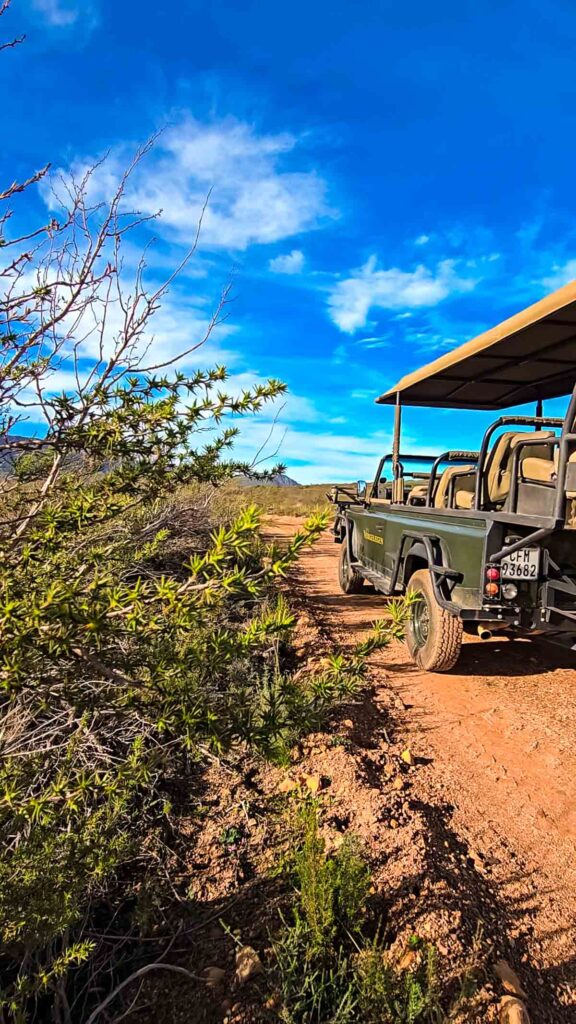
We began the day not with wine, but with wilderness — stepping into a game vehicle parked outside the Wine Tasting Centre, the air still carrying the crispness of morning. What followed was unexpected: a drive through 1 900 hectares of private nature reserve, where conservation has become something of a quiet obsession.
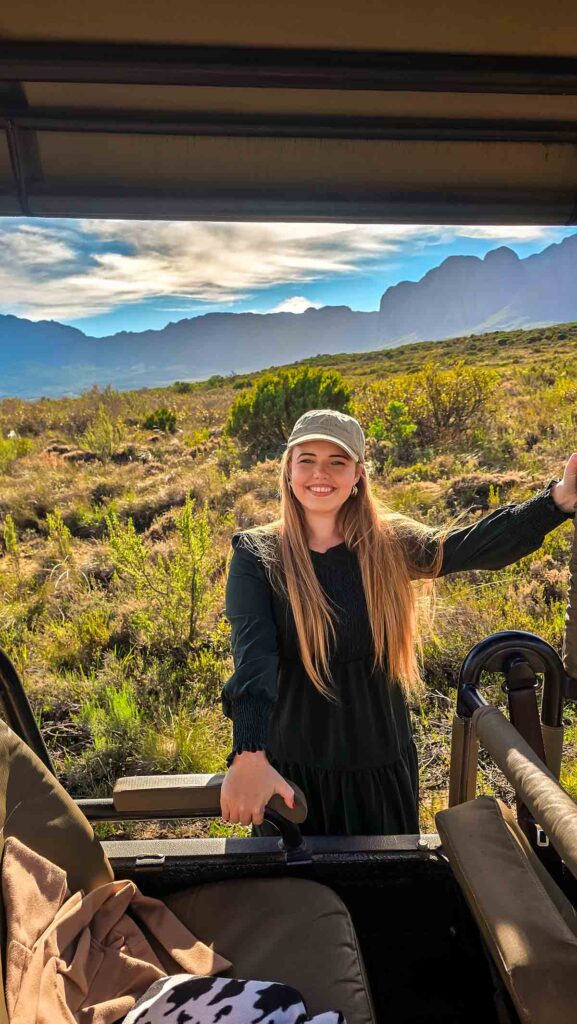
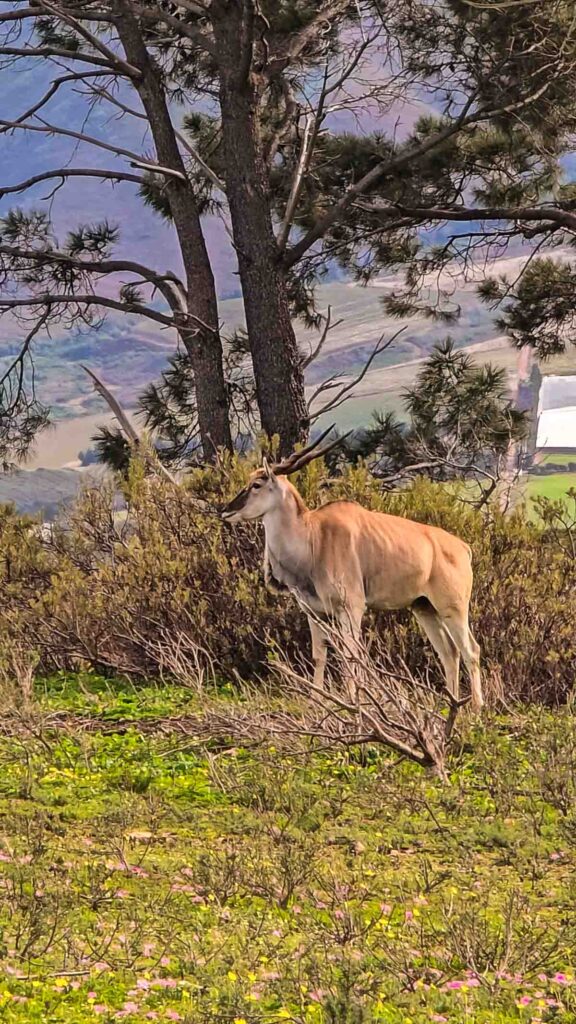
Once stripped of life by alien vegetation, the land has been gently restored over decades. Bontebok moved in the distance, eland paused mid-stride, and wildebeest tracked slow, looping paths between yellowed grasses. Even the rare quagga — genetically resurrected from near-extinction — made a ghostlike appearance through the fynbos.
“I thought I came for wine,” Marisia said, “but this is already something else entirely.”

Reserve your experience at Vergelegen ???? here.
“It’s not just the presence of animals that stays with you — it’s the sense that you’re watching nature remember itself.”
The drive ended back at the heart of the estate, where a glowing hearth and the scent of oak welcomed us into the Wine Tasting Centre. The space holds its own kind of gravity — not dramatic, just grounded. Tones of clay, wood, and leather ease you into what’s next.
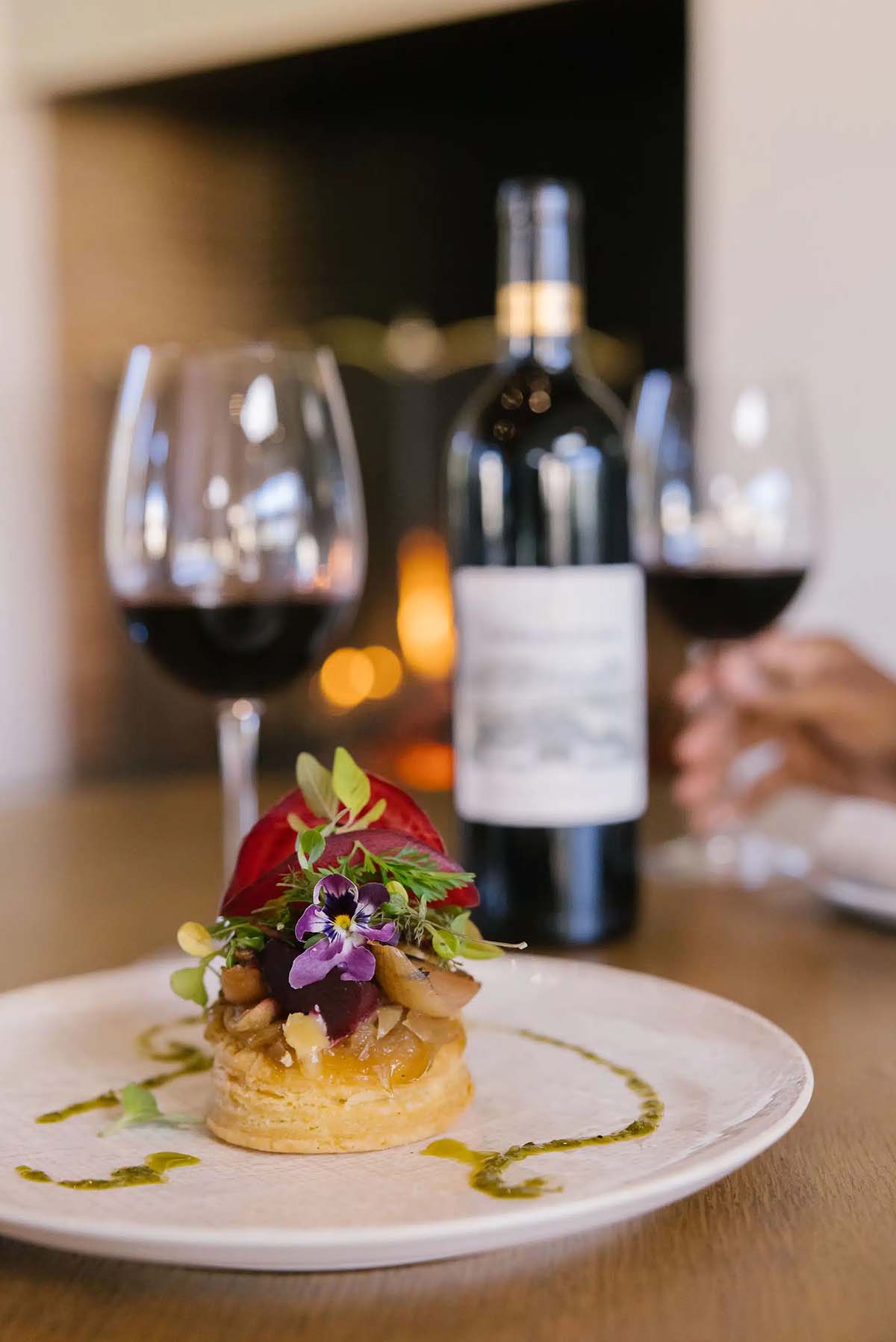
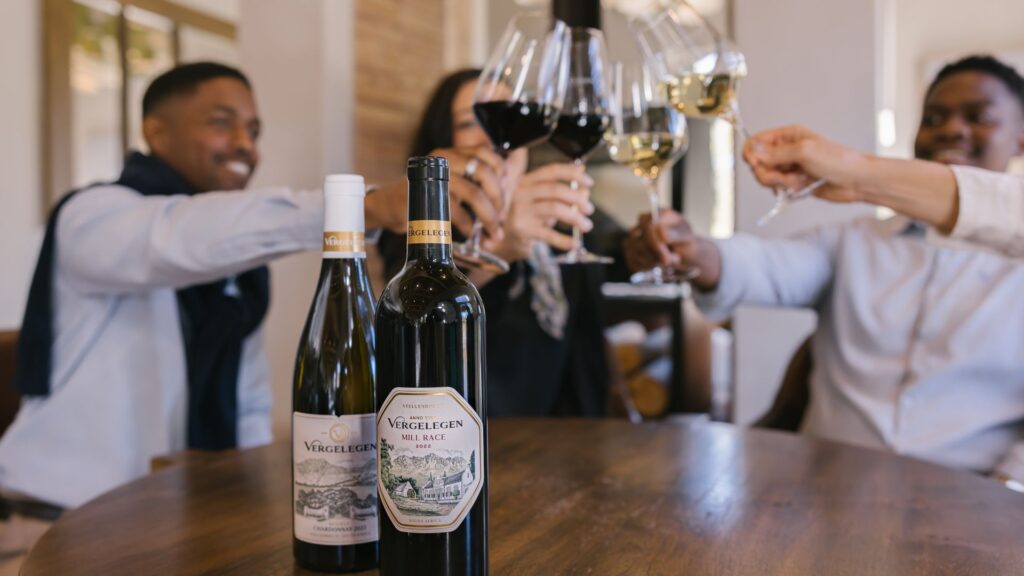
We were guided through four distinct wine ranges — beginning with the Heritage Collection, named after beloved locations on the estate. Fresh, fruit-forward, and crafted to be shared, these wines carry the accessibility of a good first conversation.
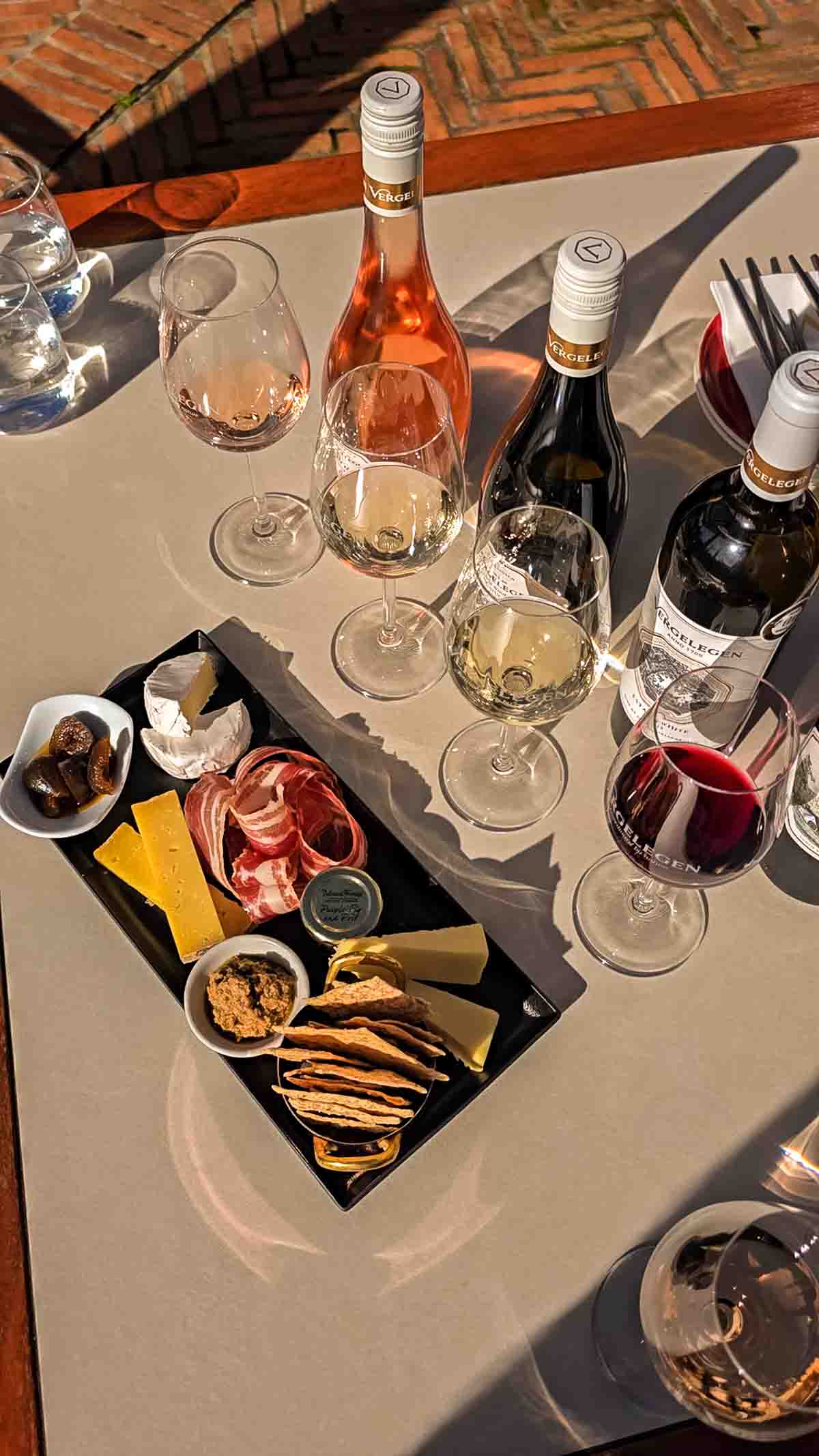
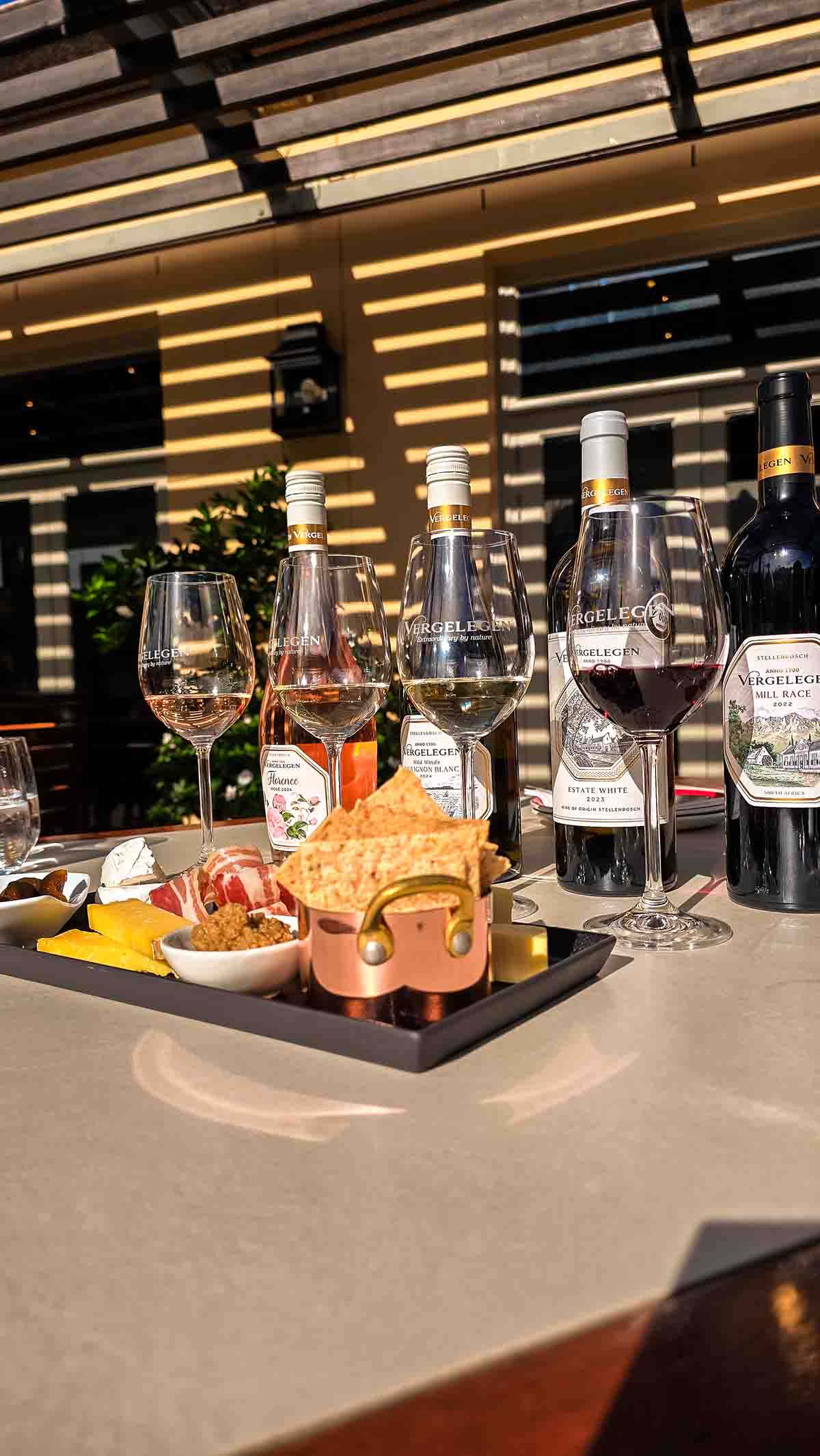
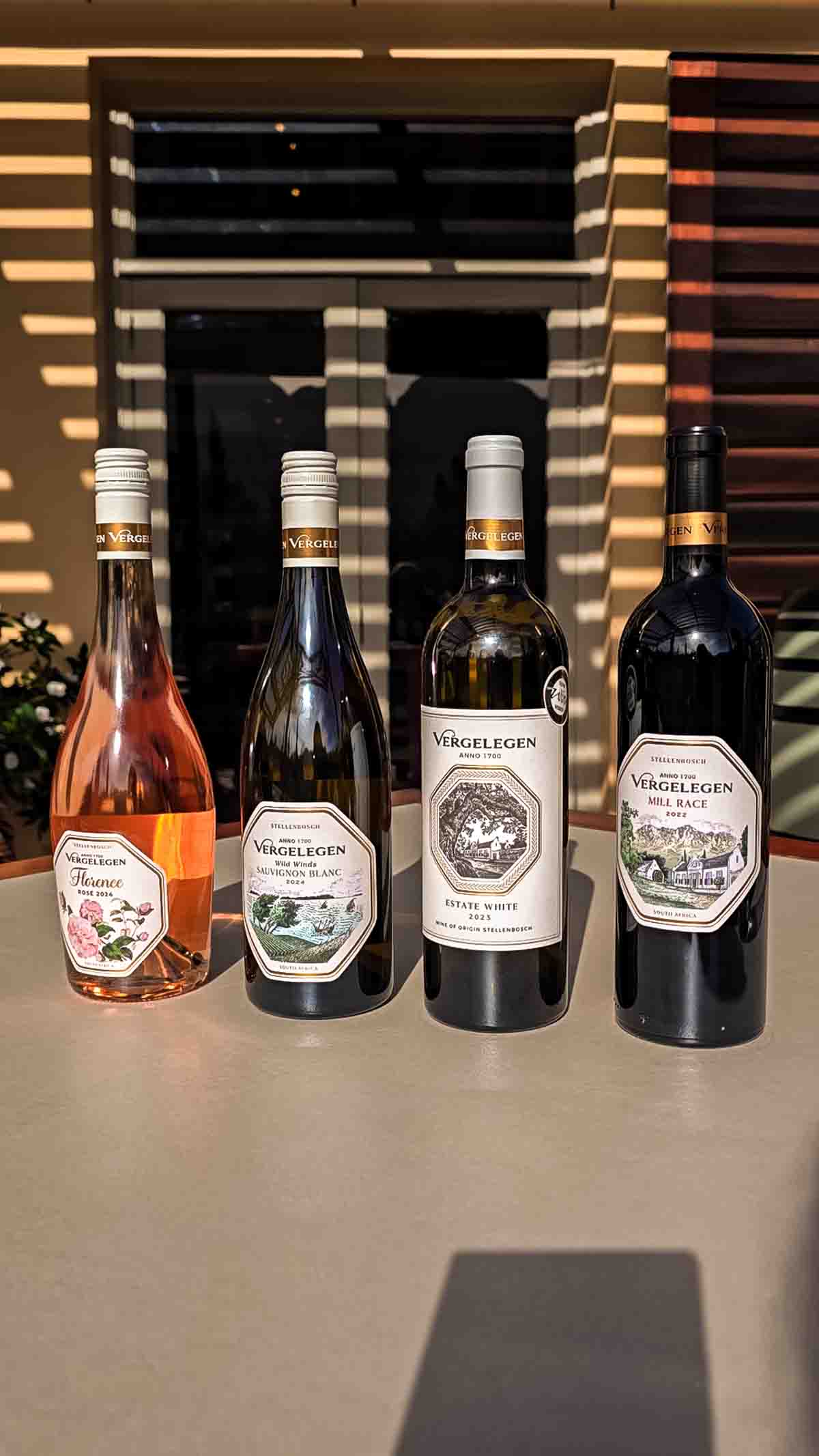
The Reserve Range moved us deeper: fuller bodied, beautifully structured reds and whites that carried the story of Vergelegen’s terroir in layers. We paused longest over the Estate Range, grown on carefully selected vineyard blocks and matured in French oak. Each wine seemed to echo the philosophy of the estate — expressive, elegant, and patient.
At the end came V — the Icon. Bottled only in exceptional vintages, reserved from Vergelegen’s finest parcels, and released globally in limited quantities. It was a wine that didn’t speak loudly. It didn’t need to.
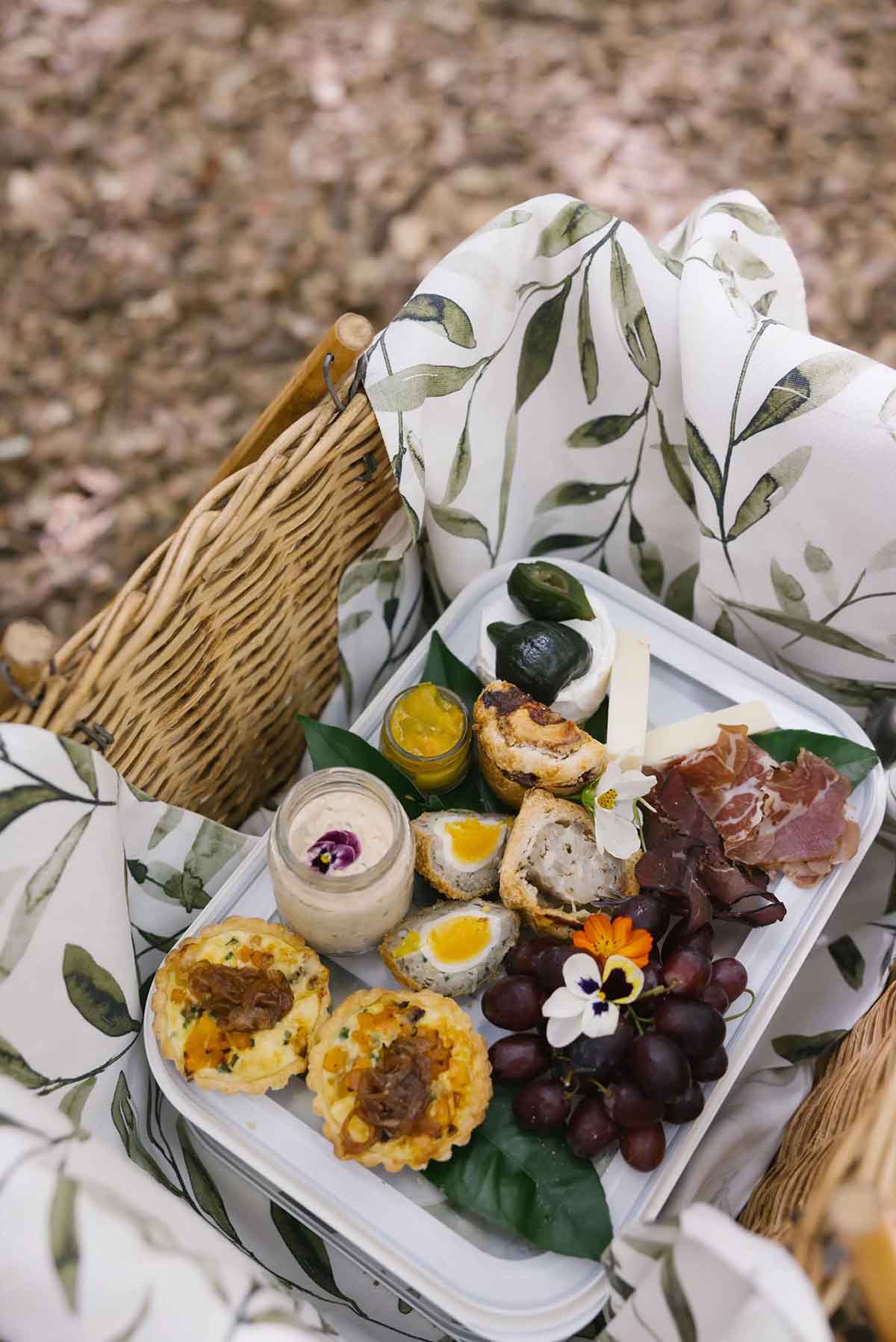
A locally sourced cheese and charcuterie platter arrived with warm bread, soft textures, and brined pairings that mirrored the weight of the wines without overpowering them. We sat for a long time — not tasting, but absorbing.
“This doesn’t feel like a tasting,” Marisia murmured. “It feels like a conversation between the land and the glass.”
See the Vergelegen Wine Range ???? here.
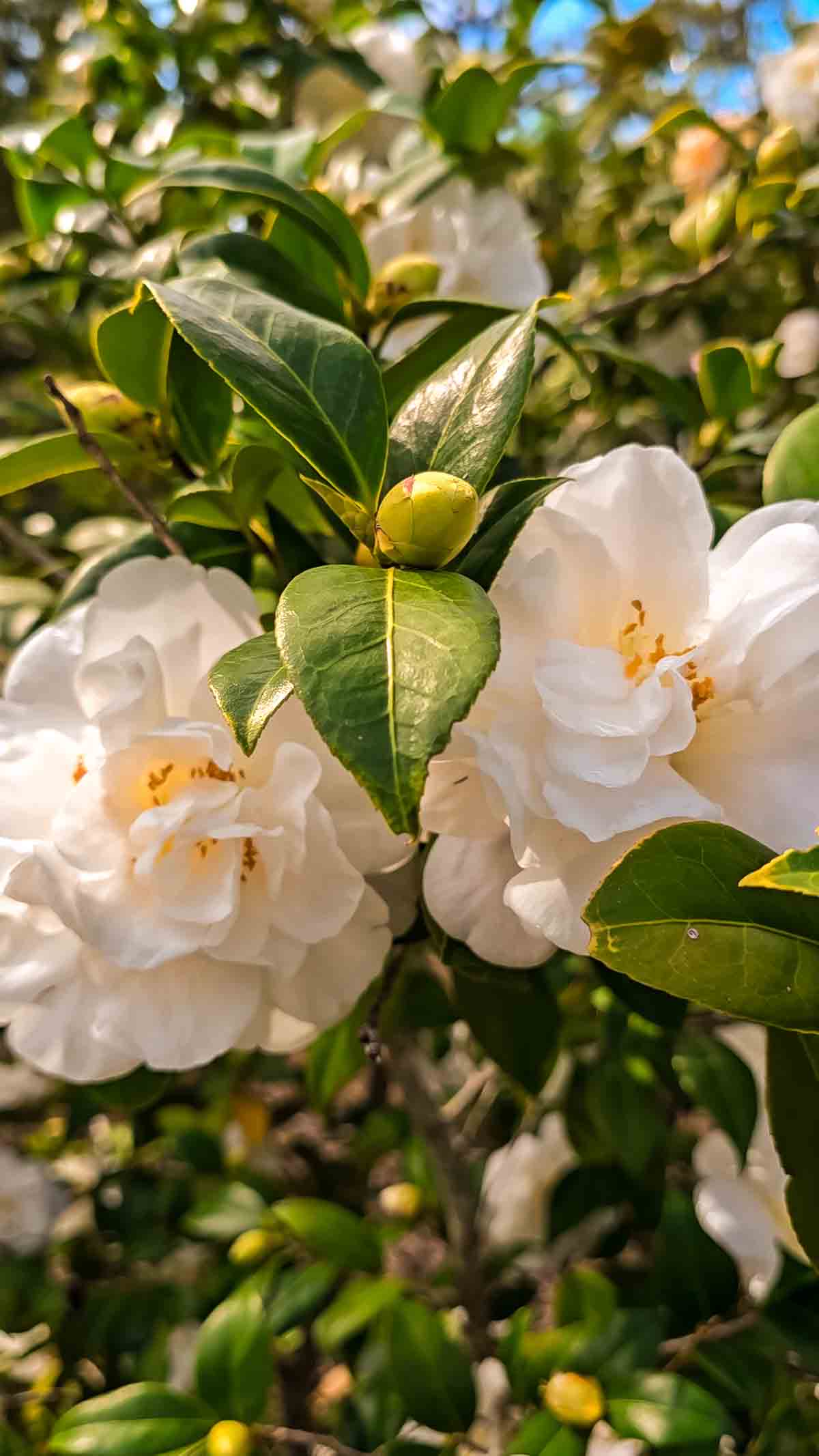
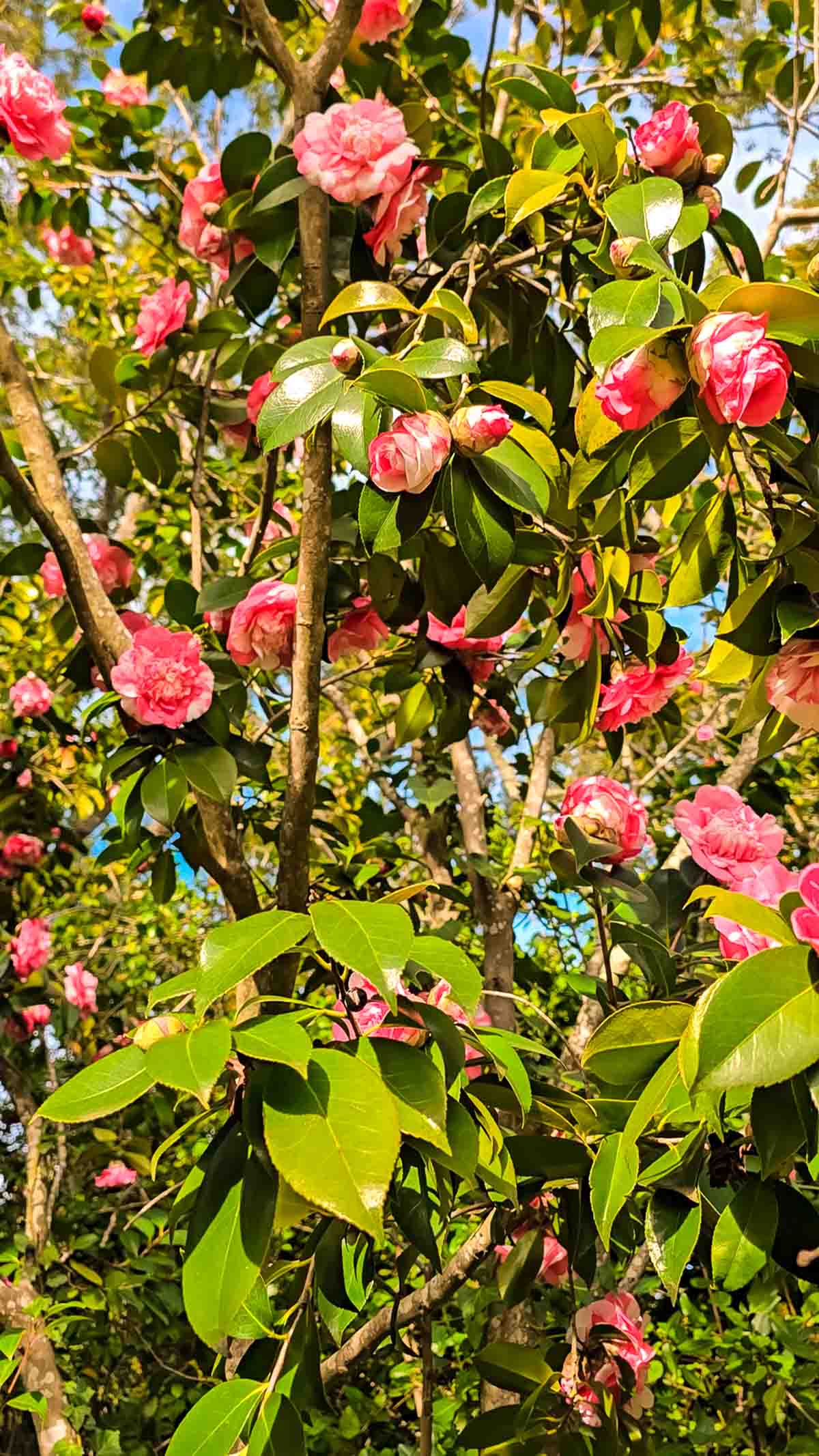
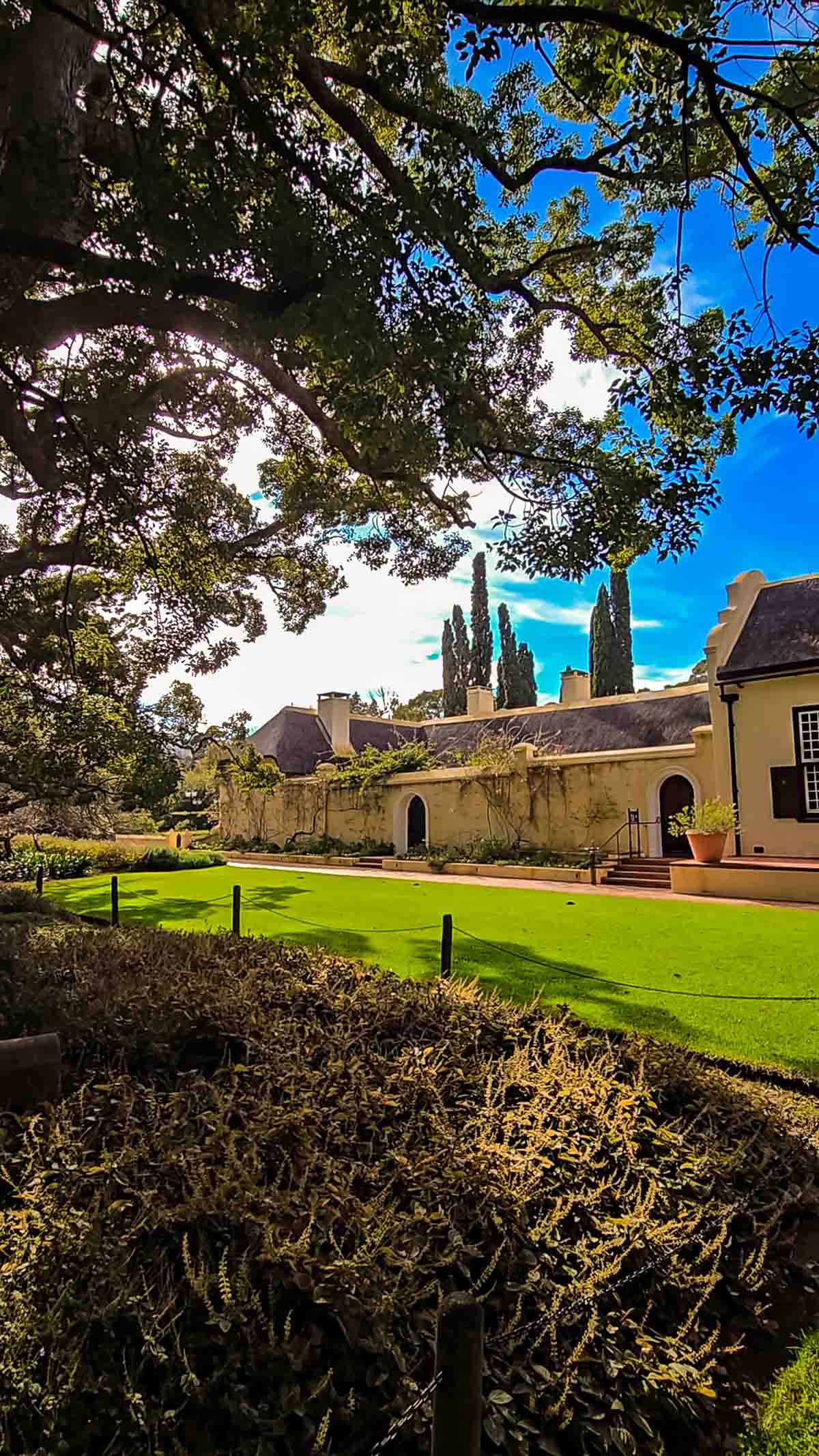
From there, we wandered — slowly, deliberately — into the gardens. It’s hard to name them all, and harder still to choose a favourite. Vergelegen is home to 17 themed garden spaces, each designed to reflect not just beauty, but heritage. You’ll find formal hedged layouts alongside whimsical forest paths, still ponds framed by white blooms, and sudden bursts of rose, agapanthus, camellia, and hydrangea — depending on the season you visit.
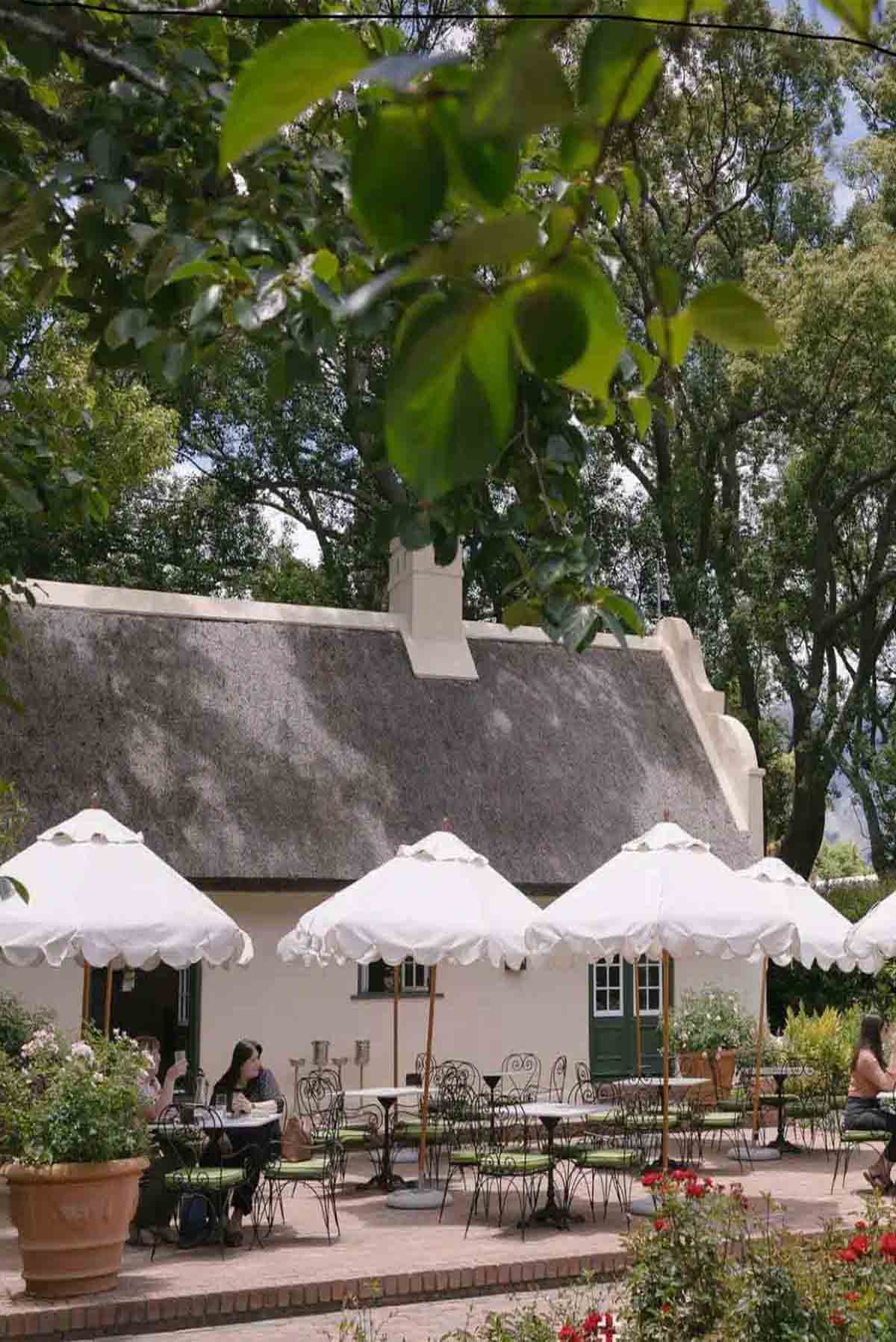
Some spaces bloom year-round: the Bamboo Garden, the Wetlands Garden, the Sundial Garden beside the Stables Restaurant. Others have their moment: the David Austin Rose Garden glows through spring, while the Hydrangea Garden opens like a soft curtain each December.
But perhaps the most tender of them all is the Camellia Garden — Africa’s only International Camellia Garden of Excellence, with over 550 winter-flowering cultivars, many dating back to the early 1800s. There’s a stillness beneath their branches that’s hard to explain.
“Even in the off-season, it feels like something here is always about to bloom.”

We passed the Cape Dutch homestead, lovingly restored and declared a Provincial Heritage Site in 2019. Inside rests a 200-year-old library with more than 4 500 books, their spines worn and their stories untouched. Outside, the National Monument Camphor Trees, planted more than three centuries ago, stretch toward the changing sky. They don’t demand attention — they simply offer their shade.
For those seeking a more active communion with the land, Vergelegen offers its most intimate experience: the Vergelegen Trail — a 13-kilometre guided hike through orchards, vineyards, wetlands, conservation zones, and restored Renosterveld. It’s immersive and capped at just eight guests per day. The trail ends with a curated tasting, a three-course lunch at the Stables Restaurant, and a bottle of Florence Rosé to take home.
“It’s a full day,” our guide said softly. “But by the end, you’ll know the estate with your feet.”
“The walk isn’t just scenic — it’s sacred. You leave changed, not just exercised.”
And then, there is the promise that holds all of this together.
Bees hum over wildflowers
Vergelegen is not just a place of beauty — it’s a place of values. Carbon-negative, Fairtrade-certified, and committed to keeping more than 2 000 hectares free from agriculture, the estate has woven sustainability into its identity without needing to announce it. Bees hum over wildflowers. Solar panels line the roofs. A water reclamation plant turns what was waste into renewal.
As we sat in the final light of day, the mountains turning lavender at the edges, Marisia closed her eyes for a moment.
“It’s hard to tell which parts were the highlight,” she said. “Because everything here seems to be in quiet agreement with everything else.”
And that’s exactly it. Vergelegen doesn’t compete for attention. It offers space — to walk, to wonder, to pause.
You leave not because it ends.
But because you’ve been filled.
Reserve your experience at Vergelegen ???? here.
Explore the wine tasting room and full wine range ???? here.