Brazilian-Dutch artist ANDERSON CARVALHO champions collaborative innovation and cultural exchange. He’ll soon feature Anderson Carvalho Dance & Choreography (ACDC) at ACDC Dance Intersect 2025 at Artscape. He shares that this SA premiere of Fragmented Landscape is both personal and ambitious. JANE MAYNE finds out more.
The Greek National Opera Ballet debuts in South Africa. What can you share about the company and Konstantinos Rigos’ choreography?
The Greek National Opera Ballet has a long-standing reputation for discipline, versatility, and artistry. Under the leadership of Konstantinos Rigos, the company has taken bold steps into new territory, blending classical ballet with contemporary aesthetics. Rigos’ choreography is characterized by striking imagery and a refined use of space and dynamics. His work often questions form, challenging dancers to inhabit a world that is both theatrical and abstract. Having them in South Africa is an opportunity for audiences to see how ballet can evolve without losing its roots.

Please comment on Elvis Sibeko’s input in the upcoming production.
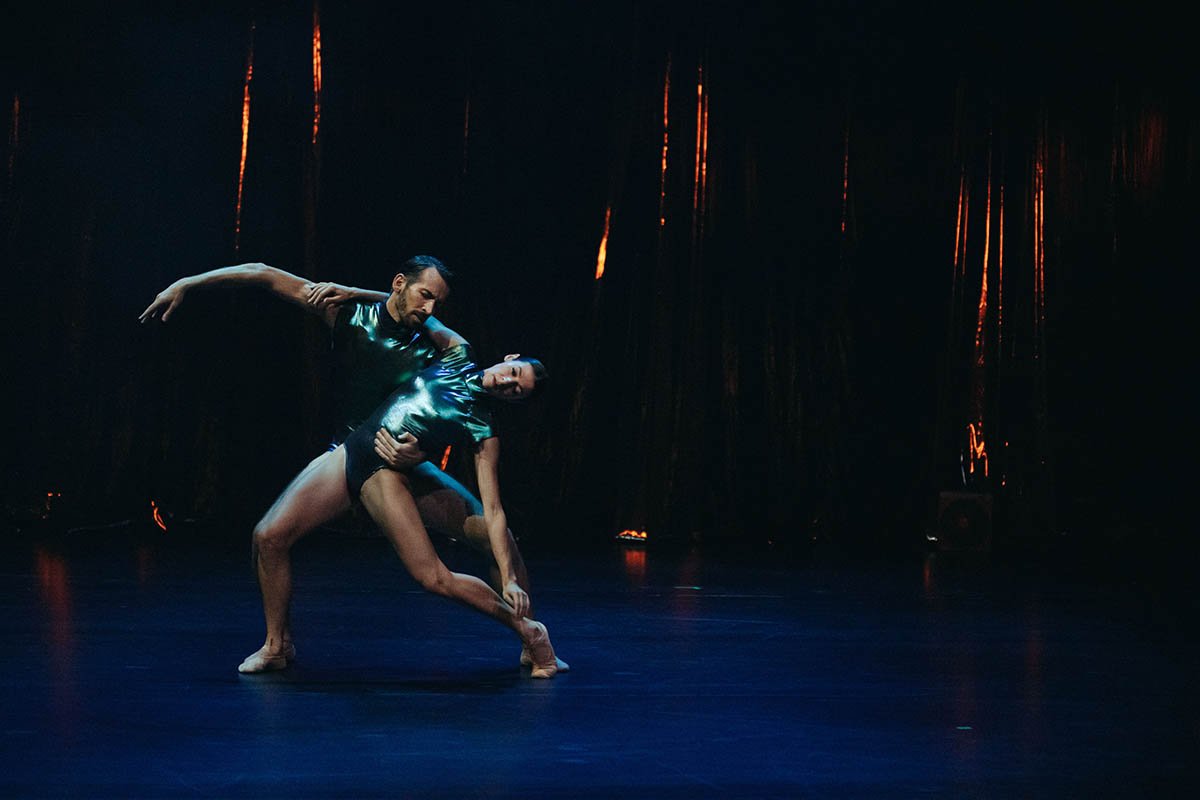
Elvis has been part of the earliest editions of Dance Intersect and has always been a trusted and valued partner. This year, we decided to partner with Elvis Sibeko Studios, with Elvis as producer of Dance Intersect 2025.
Both ACDC and Dance Intersect are in a growth phase, and with ACDC spending part of the year in Europe and part in Cape Town, it became clear we needed more permanent infrastructure in South Africa. Elvis’ company is deeply rooted in the local arts scene and brings precisely the kind of stability and expertise required.
He has been instrumental in turning our artistic vision into a strategy, securing the right partners, creating an actionable plan, and managing its execution. For a growing company, this kind of knowledge is invaluable. Elvis has brought not just professionalism but also a deep understanding of how to nurture and expand an artistic project.

How are self-expression and improvisation woven into the show, or is it tightly scripted?
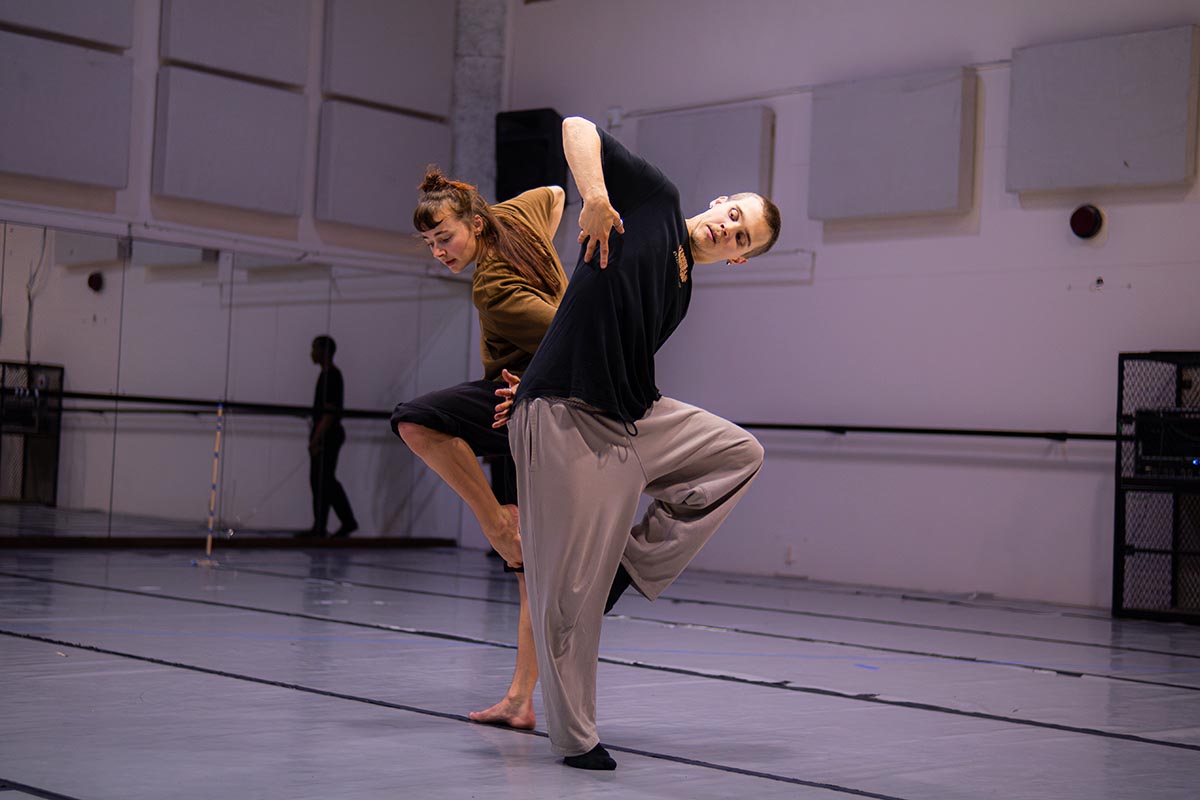
Fragmented Landscape was created through co-creation, meaning the dancers worked with me as active collaborators in building the piece. The movement language fuses the individuality of our 2025 cast with my own choreographic vision.
The piece also integrates the dancers’ life stories. One segment, “Blueprint,” is based on the homes of their youth: dancers perform within the “blueprint” of their childhood spaces, moving room to room, space to space. Their recorded voices are interwoven into the score, making the work deeply autobiographical.
The final performance is not improvised, it is tightly structured, but its script was born of the dancers’ own expression during the creative process. In that sense, it is both rigorously choreographed and profoundly personal.
Can you expand on the avant-garde ballet segment of the production?
The avant-garde ballet elements are about re-imagining tradition, not rejecting it. Ballet’s discipline and technique are the foundation, but in Fragmented Landscape they are stretched, fragmented, and reassembled into new forms. Audiences will recognize the lines and precision of ballet, yet the phrasing resists symmetry and predictability. The result is an aesthetic that feels simultaneously familiar and surprising, an avant-garde ballet that speaks to our contemporary condition.
You’ve worked across the world – in terms of technique, where have you found cultural nuances particularly interesting or challenging?
Each region has its own approach. In Brazil, where I began, ballet and discipline are the essential foundation for any contemporary dancer. In Northern Europe, where I later worked, there is a shift toward looseness, with urban dance becoming a strong influence. In South Africa, I see a similar value placed on technique and ballet as in Brazil, which makes me feel very much at home.
These nuances are enriching, but they also challenge me to adapt my process and embrace different expectations of what contemporary dance should be.
In terms of your own Brazilian roots, how do you fuse your choreography with classical and contemporary forms?
Fragmented Landscape is a contemporary dance work with a neoclassical foundation. The vocabulary builds on ballet technique but incorporates influences as varied as Tai Chi, Capoeira, circus, gymnastics, and crucially, the dancers’ own contributions.
In essence, my choreography is a dialogue: between my vision and the individuality of the dancers.
 How do you see the future of your own artistic vocabulary?
ACDC currently creates one new work each year, always rooted in co-creation. Looking ahead, we want to become a touring company with a repertoire of works. This will mean a gradual shift, leaning less exclusively on co-creation, and further deepening my own choreographic voice. Storytelling through movement will remain at the core, but the vocabulary will expand as we grow.
Your creative vision aims to push the boundaries of what dance can express. In the moment, do you lose your sense of self?
Yes, absolutely. In rehearsal I am deliberate and precise, but in performance there is a profound shift. Whether through my dancers or myself, movement becomes something larger than the self, a current that is metaphysical, spiritual, and connective. It is no longer about “me” or “them,” but about an energy that flows between performer and audience.
How do you view the boundaries of dance and free-form movement?
Boundaries are starting points, not walls. Ballet and contemporary dance provide the structure, but free-form movement arises when the dancer makes choices from a place of authenticity. For me, the only boundary that matters is whether the movement communicates truth.
How does one bridge the classical/contemporary divide?
By respecting tradition while having the courage to reinvent it. Classical technique gives dancers clarity and structure; contemporary dance demands risk and experimentation. Bridging the two is about weaving both into a living practice. It is not always easy, but it keeps the art form alive.
What’s your view of the current status of contemporary dance?
Contemporary dance today is extremely diverse. Many companies are pushing boundaries—some in physicality, others in theatricality or concept. Where ACDC fits in is by combining technical rigor with experimentation and emotional storytelling. We value pushing boundaries, but never at the cost of losing connection with the audience.
In contemporary dance, is there a new standard in athleticism?
Yes. Dancers today are expected to be versatile athletes. They must shift between ballet, floorwork, partnering, and improvisation, often within a single piece. Training now includes yoga, martial arts, and acrobatics. Athleticism is not separate from artistry but part of it.
How does your choreographic process unfold?
My process can be broken down into a few key principles:
The Primacy of the Idea: Every piece begins with a strong, often personal, concept or story. I dig deep into the “why” behind the movement. What is the emotional landscape? What story are we trying to tell? This intellectual and emotional foundation is the bedrock upon which all movement is built.
Collaborative Exploration: My collaborative process is my signature. I see my dancers not as blank slates to be written upon, but as creative partners with their own unique physicality and artistic voice. I often begin with improvisation tasks, guiding my dancers with keywords, images, or emotional states to generate raw, genuine material from them, rather than simply giving steps to them.
Physicality and Authenticity: The movement vocabulary in an ACDC piece is intensely physical, often grounded, and always authentic. It prioritizes real human expression over sterile technical perfection. You see effort, weight, breath, and vulnerability. The dancers are encouraged to connect the movement to a personal truth, making the performance deeply resonant and visceral for the audience.
Structuring the Chaos: From the collaborative improvisations, I select, refine, and structure the most compelling moments. I piece these fragments together like a mosaic, shaping the chaos of exploration into a coherent and powerful whole. My skill lies in maintaining the raw energy of the initial discovery while crafting a clear and impactful narrative arc.
In essence, my choreography is a process of discovery. It is a dialogue between the choreographer’s vision and the dancers’ individuality, resulting in work that is not only technically challenging but also emotionally raw, intellectually stimulating, and unmistakably human.

What does the upcoming show add to your body of work?
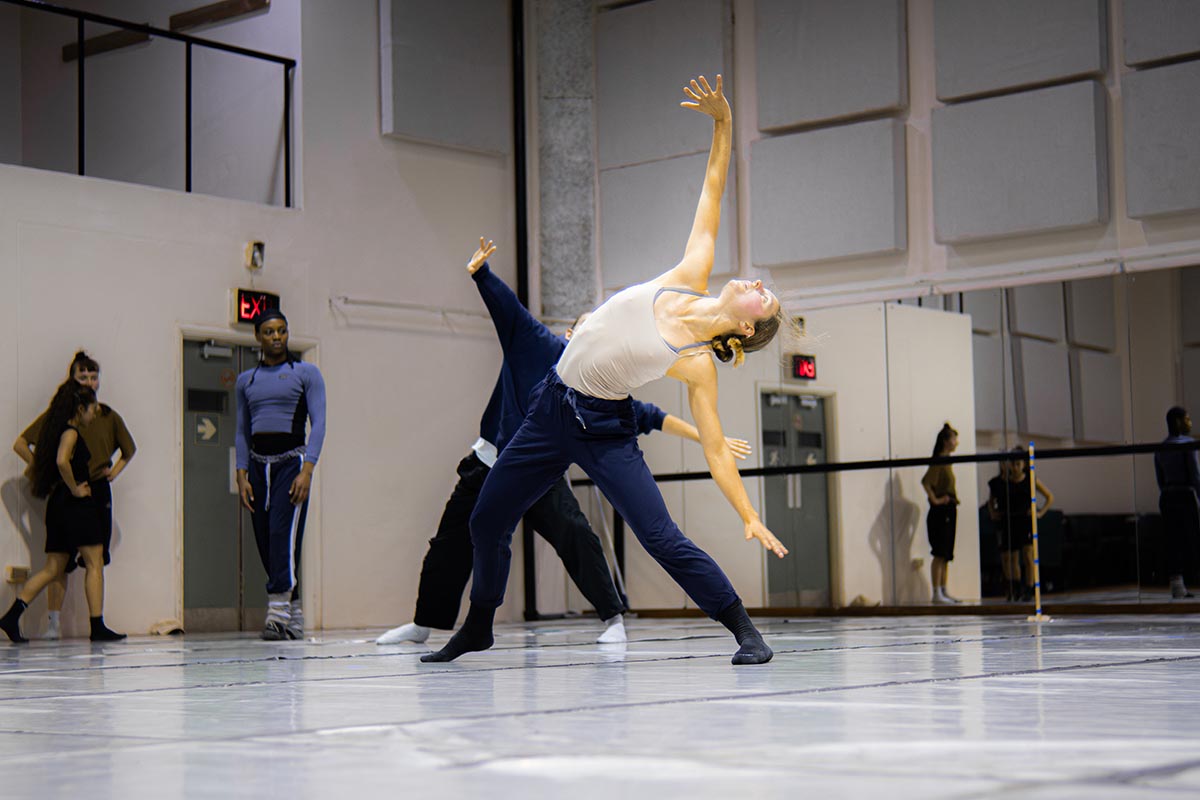
Fragmented Landscape is both personal and ambitious. It deepens our exploration of autobiographical storytelling while uniting influences from Europe, South America, and Africa. For ACDC, it represents a maturing step, proving that co-creation and technical rigor can produce work that is intimate yet expansive.
Anything else you’d like to share?
I am grateful for the cultural dialogue this production represents. Bringing the Greek National Opera Ballet to South Africa, collaborating with Elvis Sibeko Studios, co-creating with our extraordinary dancers, working with strong, proudly South African voices as New World Dance and Chesney Stanfield/Emile Peterson, it is more than a performance. It is a statement about connection across borders. My hope is that audiences leave not only inspired but also reminded of the universality of human stories told through movement.
See more information about the performance here.
In a nutshell
Anderson Carvalho interview – Fragmented Landscapes of Dance
ACDC Dance Intersect 2025 at Artscape Theatre, Cape Town
From 2 – 4 October 2025
Follow @AndrsonCarvalho for performance schedules, artist features, and behind-the-scenes access
Hashtags #DanceIntersect #DanceCulture #DanceConversation